Partnership journeys
Your community. Our relationships. One journey.
You bring the people and purpose. Roam Alive brings decades of destination relationships, cultural context, logistics, and the operating support to turn the idea into a real journey.
Who this is for
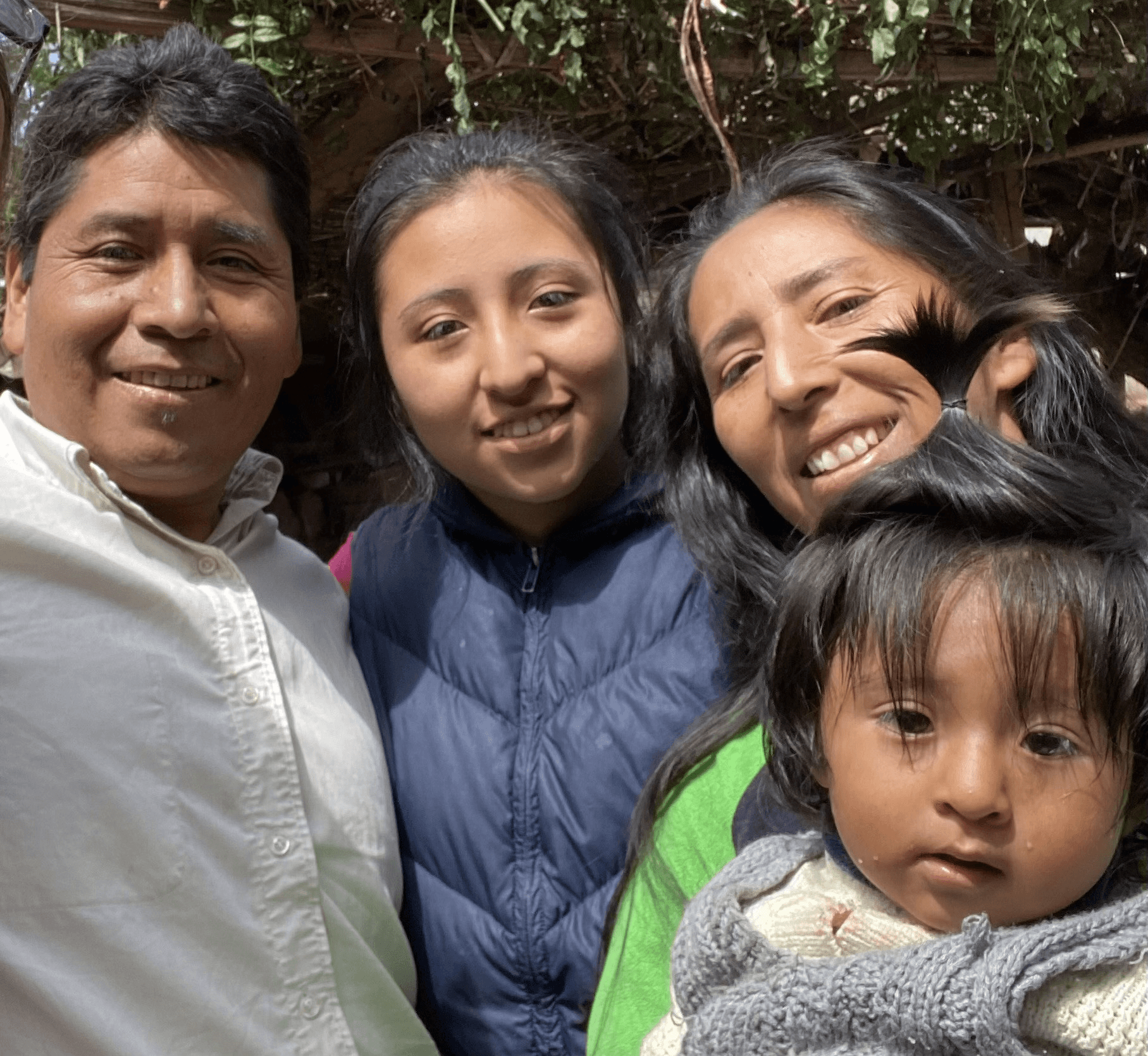
A group can arrive with its own reason for traveling.
Communities
Recovery communities, affinity groups, spiritual communities, families, and networks that already share trust.
Institutions
Schools, universities, nonprofits, treatment-center alumni programs, cultural organizations, and mission-aligned teams.
Facilitators
Teachers, retreat leaders, educators, practitioners, and program organizers who bring their own curriculum or purpose.
2027 program · Camino de Santiago
Grief Walk
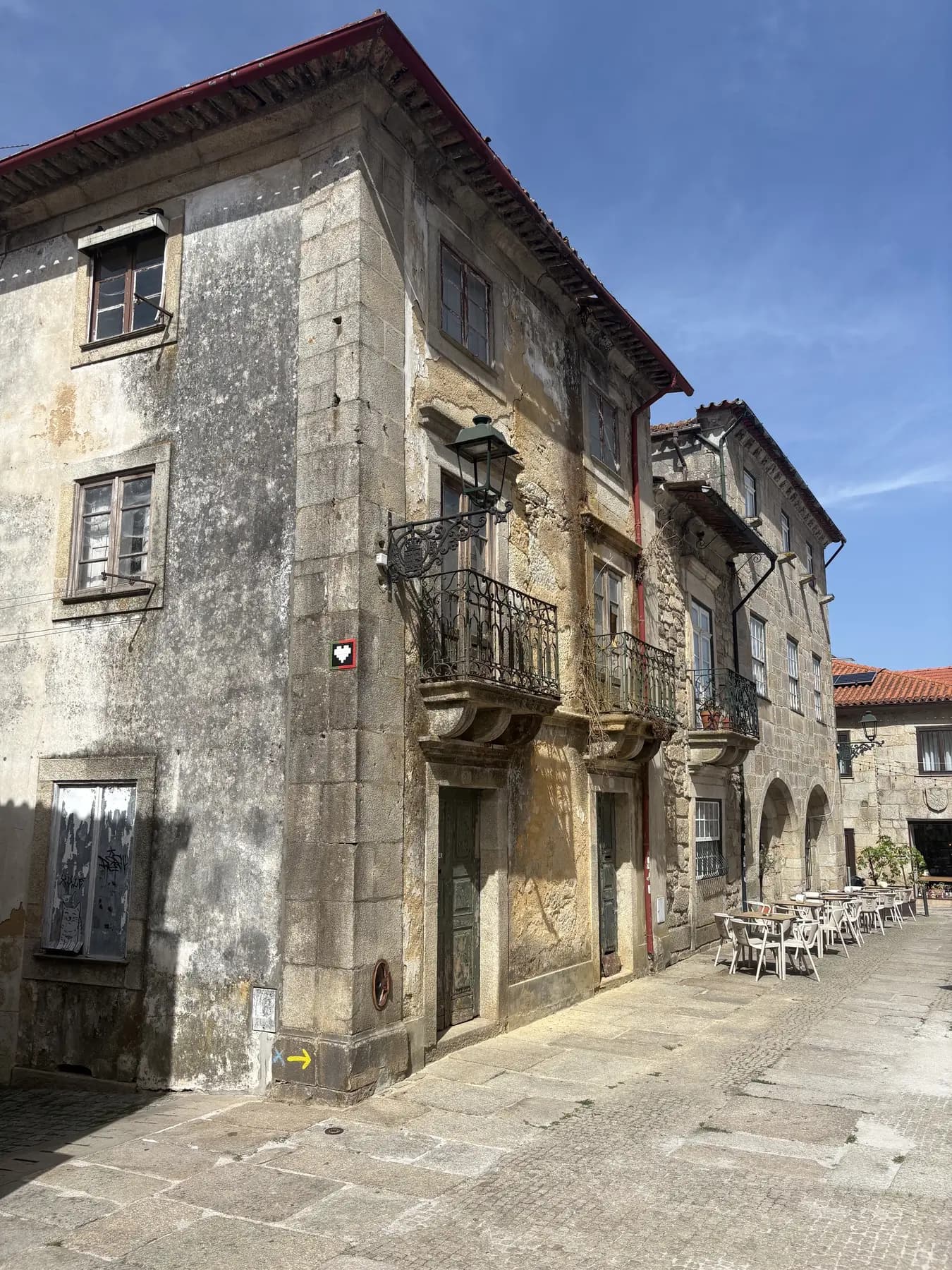
Walk with what you carry.
Roam Alive is developing a small-group walk on the Camino de Santiago from Porto, Portugal, to Santiago de Compostela in Spain. The journey creates intentional space for people living with loss to walk, remember, reflect, and connect with others along a route traveled by pilgrims for centuries.
Sponsor a group walk
A community or organization can begin with its people and preferred timing. Roam Alive develops the logistics, trip information, participant pathway, accommodations, transportation, guide support, and flight guidance around the group.
Join an announced walk
Individuals can register interest in the next scheduled Grief Walk through Rhiz and apply directly when a departure is open. The current concept includes pilgrim accommodations, breakfast, Porto and Lisbon experiences, ground transportation, and grief-focused group guidance.
Planning status
Our current materials identify a 2027 Camino program, while the exact departure date and fare are still being finalized. Roam Alive confirms those details directly before anyone commits.
Why partner
A custom tour is an itinerary. A partnership can become a program.
Roam Alive is especially interested in relationships that can grow over time. A successful first journey can become an annual cohort, a new destination, a recurring alumni program, or a deeper collaboration with the host communities involved.
Existing local relationships
The route begins with people Roam Alive already knows rather than a supplier list assembled after the sale.
Co-design
Your purpose shapes the schedule, while local expertise shapes what is realistic and culturally appropriate.
Group operations
Roam Alive coordinates lodging, transport, guides, entrances, preparation, and on-the-ground support.
Cultural boundaries
No ceremony, elder, healer, practitioner, or community encounter is promised until the local side defines what is appropriate.
Pilot leadership
Mick prefers to lead the first partnership journey in a country so both sides can establish quality and working rhythm.
Repeatability
The first trip can become a documented operating model that another trained Roam Alive lead can eventually deliver.
How it works
From community idea to repeatable journey.
- 01
Tell us about your community
Start with who is traveling, why they want to go, the dates, the destination, and what the journey needs to make possible.
- 02
Design the journey together
Roam Alive shapes the route around the group instead of forcing the group into a standard departure.
- 03
Consult our local partners
Hosts and cultural partners help define what is appropriate, available, respectful, and genuinely useful.
- 04
Build the route and budget
We turn the idea into logistics, lodging, transportation, guide support, inclusions, and a clear group price.
- 05
Prepare the group
Travelers receive cultural context, expectations, practical preparation, and direct support before departure.
- 06
Travel together
For a new partnership, Mick may accompany the first journey to protect quality and establish the working relationship.
- 07
Build the next journey
After the pilot, we review what worked and decide what can become a recurring program.
Start with a conversation
Tell us who your people are and what the journey needs to mean.
You do not need a finished itinerary. Dates, destination, approximate group size, purpose, and budget range are enough to begin.
Start a partnership conversation